For sleeping
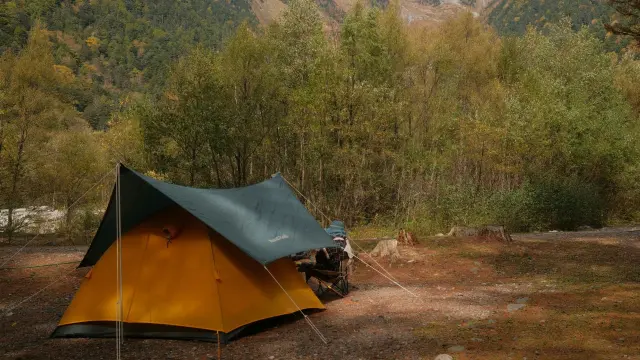
- Lightweight 3 or 4 season tent
- Ground insulating mattress
- Down adapted to the temperature (even in summer, the nights are cool!)
For food
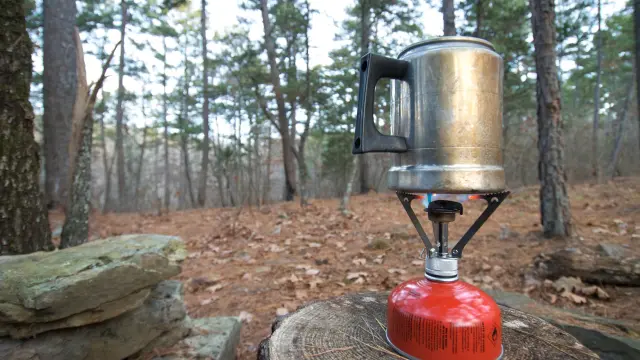
- Portable stove (no fire! use at least 200m from the forest)
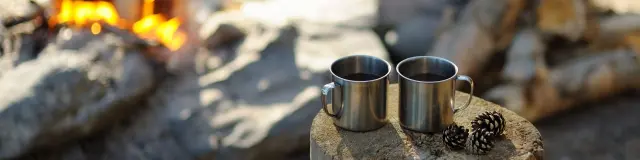
- Light crockery (saucepans, cutlery)
- Small, nutritious food that cooks quickly
Clothing
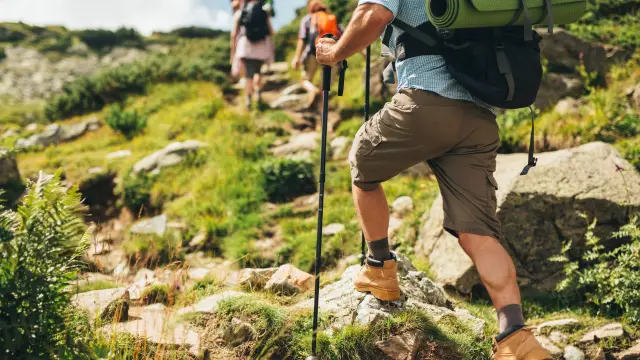
- Thermal underlay
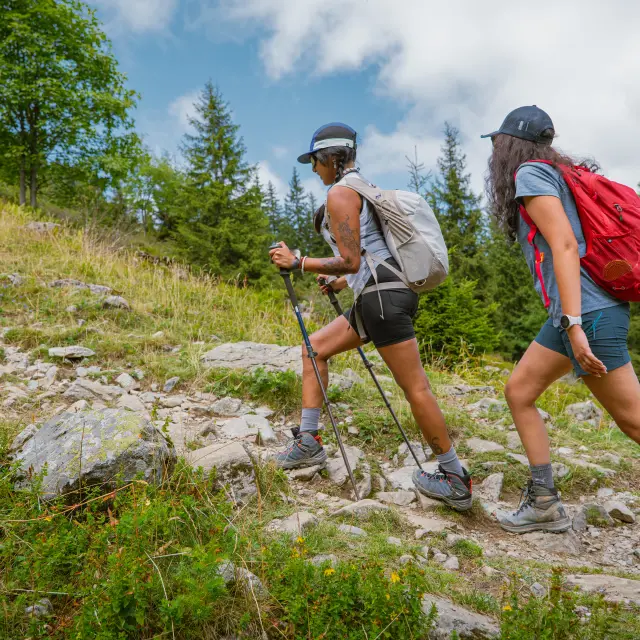
- Fleece + down jacket
- Windproof waterproof jacket
- Hat, cap and glasses
- Dry clothes for the evening
Key accessories
- Headlamp + spare batteries
- IGN map / GPS / compass
- First aid kit
- Multifunction knife
- Biodegradable hygiene products
- High factor sun cream
- Mosquito repellent (be careful!) Stay away from tall grass, wear long clothes and check yourself when you get back from your hike )
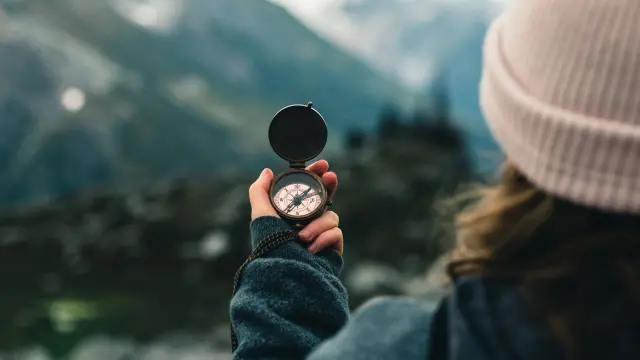
Responsible bivouac best practice
→ Bivouacking is tolerated in the massif from 7pm to 9am only.
→ Allow 3 litres of water per person per day. Water points exist near most refuges ( beware, some springs dry up in season). Systematically purify torrent water (boiling, tablets or filter). Never draw water downstream from a village, herd or human settlement.
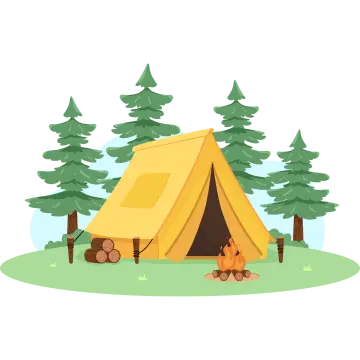
Choose your location carefully. Flat, dry ground, away from cliffs and scree. Avoid hollows, passes and ridges (strong winds). Choose areas that have already been used to avoid trampling new soil.
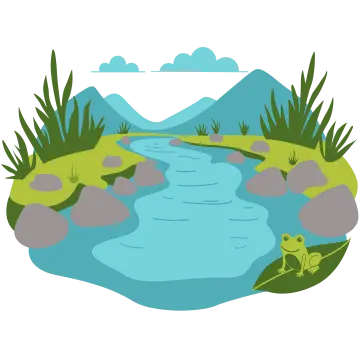
Wildlife comes here to drink. Don’t swim in them: our presence in the water causes lasting damage to the flora and fauna of these fragile environments.
Fires are prohibited within 200 m of forests. At altitude, wood resources are virtually non-existent. Stoves are the only responsible way to cook, although they should be used with caution. A fire can destroy soil that has taken thousands of years to build up in just a few minutes.
Biodegradable or not, no waste is thrown away, buried or burnt in the mountains. Everything goes back with you in a sealed bag, without exception.

Keep at least 70 m away from watercourses. Bury it 20 cm deep. Put toilet paper in a bin. Use biodegradable products for washing and washing up.
Dogs are a source of stress for wildlife and herds. They must be kept on a lead at all times, or not taken into certain protected areas.
In the Chartreuse, they are allowed under certain conditions. They are not allowed in the Hauts de Chartreuse nature reserve, the sensitive natural areas of Herretang, the Col du Coq or the mountain pastures (from June to October).

Flowers, branches, shrubs: the Alpine environment is harsh and plants grow slowly. Respecting vegetation means protecting biodiversity for everyone.

No music, no shouting, no drones. Calm is a precious resource in the mountains, for wildlife and other users alike. Observe, listen and marvel.
What the law says
Bivouacs are tolerated in the Belledonne from 7pm to 9am, except in specifically prohibited areas.
French law prohibits bivouacking on public roads, in listed natural sites, in the vicinity of historic monuments, and less than 200 m from a drinking water supply. Fires are banned all year round within 200 m of forests.
Stricter local decrees may apply. Regulations are subject to change, so check with local authorities and tourist offices.
📍 Municipality of Revel
Bivouac prohibited around lakes Merlat and Claret, and in the wetland to the east of lake Merlat.
⛔ Prohibited from 14 July to 31 August on the Pra plain.
📍 Commune de Chamrousse
Bivouac prohibited in the Lac Achard area from mid-June to mid-September.
⛔ Prohibited in the Arselle Biotope Protection Order.
📍 Commune of Haut Bréda
Bivouac prohibited around the Chalet du Bout, within the perimeter of the Espace Naturel Sensible du Praillet.
📍 Plateau des Lacs du Taillefer
Bivouac only in areas defined and signposted on site. Swimming and water activities prohibited.
Hauts de Chartreuse National Nature Reserve
Bivouacs are permitted without tents, in other words “under the stars” (no tarps, tarpaulins or other shelter) from 1 July and 31 August, with due respect for private property. See dedicated link.
📍Cirque de St Même
Bivouacs (with or without tents) and bonfires are prohibited by municipal by-law.
With guard dogs (Patous)
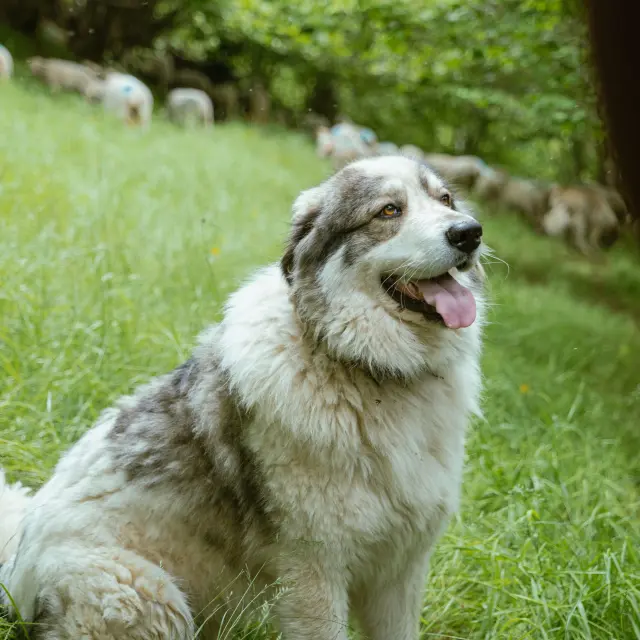
In the presence of herds guarded by guard dogs (Patous), go around the herd keeping a good distance, do not run or face them. These dogs do an essential job: respect their space.
With the shelters
Contact the warden before arriving to find out about the bivouac sites available and the services on offer (meals, showers, toilets). Refuges do not take rubbish bins. By using them, you are helping to ensure their continued existence.
With the herds
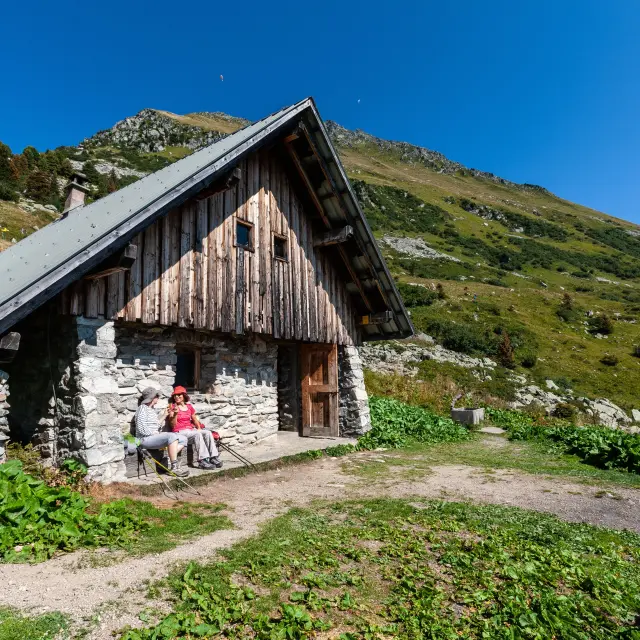
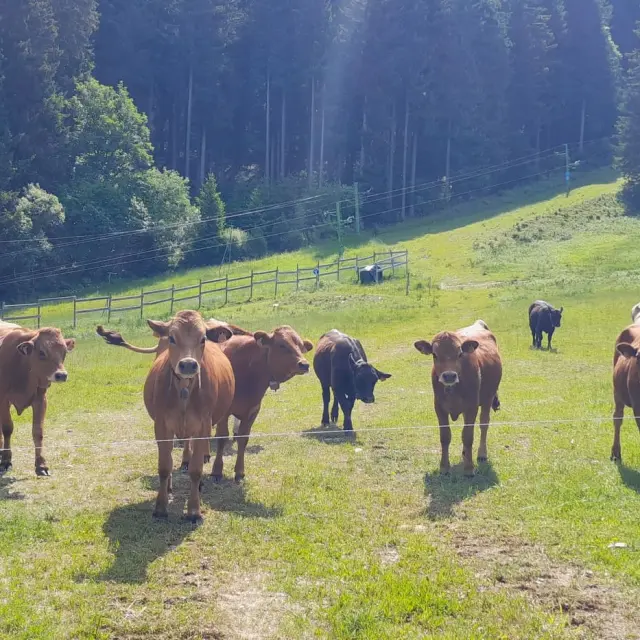
Keep away from shepherds’ huts, flocks, night pens and drinking troughs. Do not contaminate waterholes. Do not use headlamps to illuminate herds. If a herd passes through your camp: put your things away and wait calmly for it to pass.
With agriculture
Never settle in unmown meadows: these meadows are essential resources for the mountain farming economy, and are used in particular to feed livestock. Always close the gates of paddocks after use.
With local residents
Private property exists even in the mountains. If you are on private land, always ask the owner for permission before setting up your bivouac.
With children
Young children are more sensitive to the sun and to altitude: hydrate them frequently and cover them up (cap, sunglasses, high factor sun cream). Adapt the itinerary and pace to their abilities.